




Portfolio Management Services in Today’s Indian Market: Growth, Benefits & Outlook
 Sowilo Investment
- Jan 26, 2026
- 413
- 0

Imagine it is the week of April. You are staring at a spreadsheet that is all over the place. You are really trying to recall if a receipt from Target for one hundred forty-two dollars from eight months ago was for ink for the office printer or, for groceries that you bought for use. This is the reality for countless independent contractors who fail to separate their finances. Receipts for client dinners get lost among personal bills, and software subscriptions blend into personal bank statements.
This lack of financial boundaries leads to missed tax deductions, highly inflated accounting fees, and elevated audit risks with the IRS. For those operating a Limited Liability Company, mixing funds poses a much more severe threat to your personal assets. If you commingle funds, you risk losing your legal protection through a process courts call piercing the corporate veil.
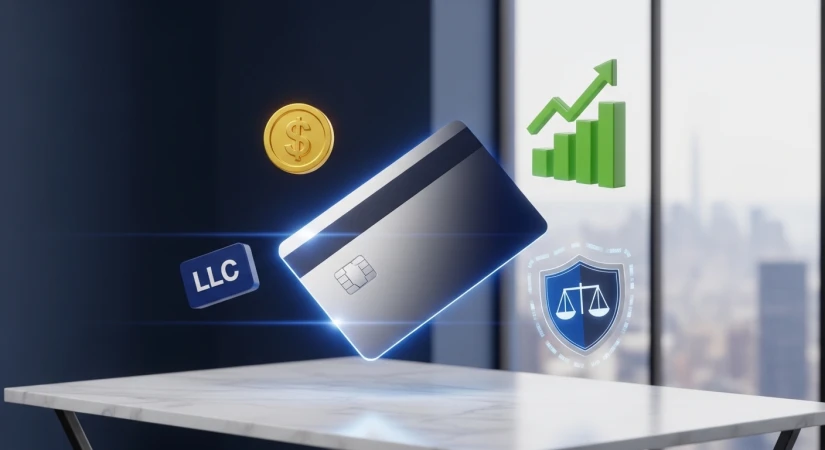
Creating a firm boundary between your personal life and your business finances is a strict necessity for any successful enterprise. The single most effective tool for achieving this separation is a dedicated business credit card. For freelancers sole proprietors and early-stage LLCs the main thing is to keep monthly costs low. This is what they really want to do. They need to keep the costs of their freelancers business or their sole proprietors work or their early-stage LLCs low every month. That makes zero-annual-fee options highly desirable for any growing operation.
This comprehensive guide evaluates the best no annual fee business credit card for LLC in USA 2026. We will look at current annual percentage rates, massive welcome bonuses, and foreign transaction fees.
The market for LLC credit cards is highly competitive right now. Issuers are offering aggressive welcome bonuses and extended introductory APR periods to attract growing companies.
The Blue Business Plus Card is widely regarded as one of the most efficient flat-rate rewards cards on the market. It is specifically designed for businesses with moderate, predictable spending.
Introduced as a heavy hitter in the cash-back space, the Wells Fargo Signify Business Cash® Card completely removes the hassle of rotating categories.
Part of the highly regarded Chase ecosystem, this card is a powerhouse where you earn pure cash back that can later be converted into premium travel rewards.
For businesses with highly specific, concentrated expenses, this card is incredibly valuable.
For digital nomads and e-commerce operators dealing with international clients, foreign transaction fees can destroy profit margins. This card completely eliminates this issue.
Maintaining impeccable financial records is a strict regulatory requirement enforced by the Internal Revenue Service.
When you mix personal and business funds, courts can rule that your business is simply an "alter ego" rather than a separate legal entity. This destroys the limited liability protection your LLC provides. In a lawsuit, creditors can successfully petition a judge to pierce the corporate veil and seize your personal house, car, and savings to settle business debts. A dedicated credit card immediately establishes the necessary legal boundary.
In 2026 people who work for themselves have to pay a big tax of 15.3% on the money they make. The tax is figured out by looking at the profit people who work for themselves make. So the only way, for self-employed individuals to pay less in taxes is to make sure they get every business expense they can. Managing your freelancer business expenses correctly is the key to surviving an audit. A business card catches every small, recurring expense that you might otherwise forget at tax time.
Building your business credit score USA enables access to non-recourse loans, much higher credit lines, and favorable payment terms from suppliers.
Unlike consumer credit, commercial credit relies heavily on agencies like Dun & Bradstreet, Experian Business, and Equifax Small Business. The primary score utilized by vendors is the Dun & Bradstreet PAYDEX score. The absolute fastest method to establish commercial credit is by utilizing net-30 vendor accounts. Specific vendors like Uline, Quill, and Grainger report these payment histories directly to the commercial credit bureaus.
Once your PAYDEX score is established, your business becomes highly attractive to lenders. This paves the way for larger, unsecured corporate credit lines (such as a Company Credit Line) that may not even require a personal guarantee. Whether you are looking for a Credit Line for Businesses, Fast Invoice Factoring, or even a specialized Business Loan Florida, having pristine commercial credit is mandatory.
So you want to know if you can get a business credit card without having a company set up. The answer is yes. A freelancer can get a business credit card without an LLC. Freelancers and people who work on their own can apply for these business credit cards using their Social Security Number of an Employer Identification Number. Freelancers can use their Social Security Number to get a business credit card.
Do business credit cards affect personal credit scores?
When you initially apply, the issuer will execute a hard inquiry on your personal credit report. However, most major issuers do not report your ongoing business utilization to consumer credit bureaus.
Does paying a business credit card with personal funds pierce the corporate veil?
Yes. Consistently paying a commercial liability from a personal checking account constitutes commingling of funds. You must fund your business checking account first, and then pay the business credit card from that dedicated account. Every CPA for Small Businesses will strongly advise against mixing these payment channels.
Navigating the financial infrastructure of a modern small business requires precision and strict discipline. Integrating a dedicated business credit card is a fundamental structural requirement for legal protection and tax efficiency. Layering these cards with net-30 accounts to build a standalone Dun & Bradstreet profile allows small business operators to transform their daily overhead into a powerful engine for long-term growth and financial stability.
business credit cards USA
LLC credit cards
freelancer business expenses
business credit score USA
best no annual fee business credit card for LLC in USA 2026
Credit Line for Businesses
Company Credit Line
Business Loan Florida
Fast Invoice Factoring
CPA for Small Businesses